
When Communication Breaks Down: What the Chaos of a Crosswalk Teaches Us About Change

Every morning and afternoon, my children’s elementary school funnels nearly 800 students—walkers, bus riders, and those arriving by car—through a single entry and exit point. It all happens in just 15 minutes. The process is fast, smooth, and remarkably coordinated.
At the center of it all is Mr. Kai, the crossing guard. His job goes far beyond signaling stop and go. He manages a constant, high-pressure flow of movement involving students, school personnel, parents, bus drivers, and even commuters who have no connection to the school but are impacted by the traffic. Every few seconds, he’s reading the environment, prioritizing flow, and making judgment calls that keep things moving and people safe.
Navigating the Return to Office: A Guide for Leaders

Over the past few years, the workplace has experienced significant changes, with remote and hybrid work models becoming common during the COVID-19 pandemic. While these models allowed businesses to maintain operations, they also brought mixed impacts. Many employees found greater flexibility and work-life balance, but others struggled with isolation, burnout, and blurred boundaries between work and personal life. However, as we move into 2025, many organizations are recalibrating their strategies and instructing employees to return to the office to foster collaboration, innovation, and team culture. This shift is not just logistical—it represents a major cultural and operational adjustment.
Teach to Their Needs, Not Yours

Have you ever attempted to teach someone else how to tie a shoe? It seems like a simple task we all mastered in our youth. After all, we’ve been doing it for years. But when you pause to consider the steps involved and the dexterity required, it’s far more challenging than it initially seems. This reality became apparent to me firsthand when I recently tried to teach my child to tie his shoe. What began as a seemingly straightforward lesson quickly evolved into a significant challenge.
Harmonizing Teams: Lessons from Live Music

There’s something about live music that captivates me like nothing else. Whether it’s at a reggae concert, a classical music performance, or a local band playing in a small bar, the experience is always invigorating. Recently, I found myself in a jazz bar on Frenchman Street in New Orleans late one Monday night. As the […]
Addressing Hybrid Training Challenges
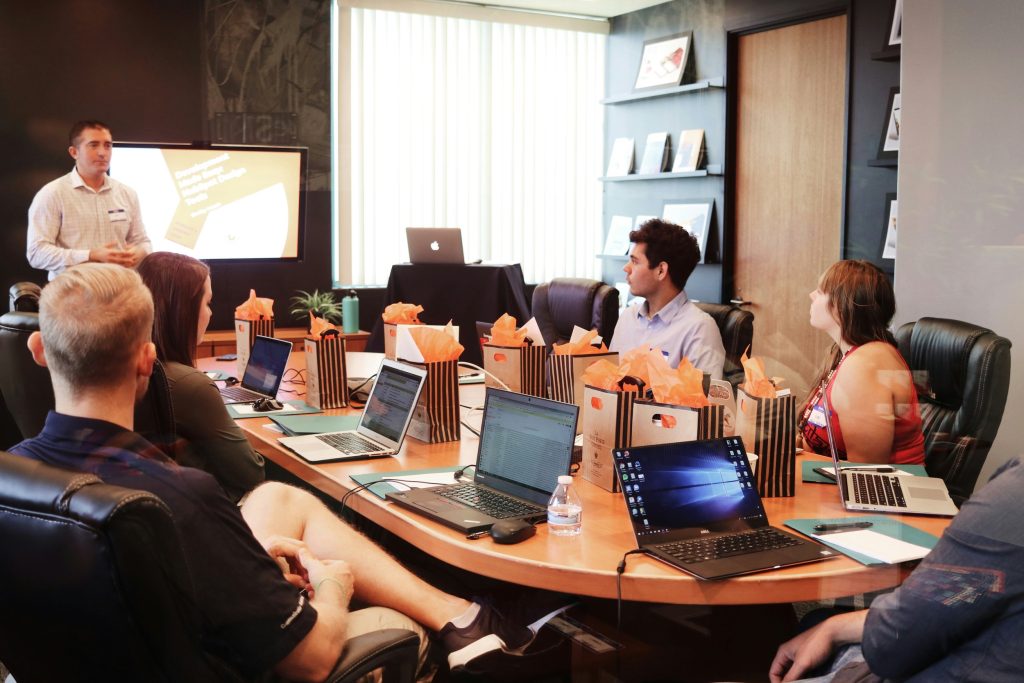
The rise of remote work has led to a new dynamic in training and facilitation: the hybrid model. Combining in-person and remote attendance, hybrid training offers flexibility but also presents unique challenges.
How to Seek Out Feedback
Timing and approach matter when seeking feedback. Rather than catching your supervisor off guard, consider sending an email in advance. Share your eagerness to discuss your performance during the next check-in or propose a dedicated moment for feedback.
The Power of Timely Feedback: Preventing Career-Defining Surprises
Feedback is a vital aspect of personal and professional growth. Timing the feedback delivery is paramount to its effectiveness. Delayed feedback can have far-reaching consequences, leading to misunderstandings, lowered morale, and damaged relationships.
Lessons From the Garden

The flowers that bloomed earlier in the summer were fading away, but a new round had just appeared, promising vibrant colors throughout the fall. Some flowers, when trimmed back, even produced a second round of blooms. As I stood amidst the vibrant colors and continuous display from spring to fall, I couldn’t help but draw striking parallels between gardening and employee training and development.
The Ideal Length of a Training or Facilitation Is…

“An hour should be enough time for this team-building activity, right?”
“The offsite agenda is tight. I only have 90 minutes for you to facilitate this discussion. Will that work?”
“Our staff is busy. It’s going to be hard to convince them to attend a half-day soft skills workshop. Can you shorten it?”
These are common sentiments I hear from current and potential clients. You are savvy enough to know that you need external support to guide the learning experience, but your request comes with strict parameters.
The Office Fire Drill

“We don’t have time to do this exercise right now, so I’m just going skip it so I can finish my lecture before we break for lunch.”
These types of statements send shivers down the spines of instructional designers. I’ve audited one too many courses where the instructor – usually a subject matter expert who was tapped to teach the content because they’re the best at what they do – skips the experience component of training so that they can share their hard-earned wisdom with the group via lecture.